How Can We Help?
Contact us today and start the conversation. We'd love to hear from you!
404-403-5990
info@VHVC.org
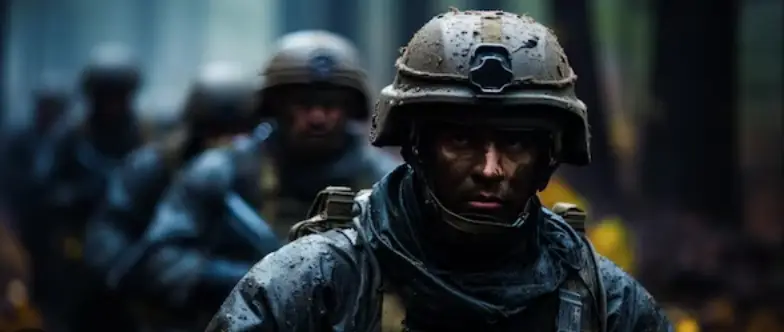
According to the Veterans Administration (VA) and the Department of Defense (DOD), service-related means that a veteran’s medical condition was directly caused by their military service, occurred while in the military, was aggravated by military service, or was caused by conditions that are themselves service-connected and thereby warrant monetary compensation known as veterans’ disability benefits. However, not all mental effects of PTSD are disability relatable.
For instance, many veterans suffer from moral injury and symptoms of guilt and shame, and these symptoms are not often responsive to evidence-based mental health treatments, and the clergy can provide a pathway for relieving the guilt and shame of veterans suffering from moral injury due to PTSD. It is true that there is a long history of mistrust between clergy and mental health professionals however, in their study (Payne et al., 2019) gathered qualitative interview data regarding whether and how VA mental health clinicians and clergy could collaborate to address moral injury issues in veterans being treated for PTSD. They organized their data into three categories: barriers, facilitators, and intervention suggestions to develop a new intervention for moral injury that includes a central role for the VA chaplain. I believe that by utilizing both quantitative and qualitative research data too, I can develop a similar intervention program centered around the clergy in my own community noting that not all veterans have access to VA chaplains in their communities.
Discrimination, homelessness, unemployment, loneliness, and separation anxiety are all forms of service-connected issues that may stem from or may exasperate the severity of PTSD. Many veterans suffer these side effects in silence due to shame, pride, fear, or lack of knowledge of how or where to go for help.
VHVC.org aims to eliminate access barriers by opening the doors of the church.
For instance, many veterans suffer from moral injury and symptoms of guilt and shame, and these symptoms are not often responsive to evidence-based mental health treatments, and the clergy can provide a pathway for relieving the guilt and shame of veterans suffering from moral injury due to PTSD. It is true that there is a long history of mistrust between clergy and mental health professionals however, in their study (Payne et al., 2019) gathered qualitative interview data regarding whether and how VA mental health clinicians and clergy could collaborate to address moral injury issues in veterans being treated for PTSD. They organized their data into three categories: barriers, facilitators, and intervention suggestions to develop a new intervention for moral injury that includes a central role for the VA chaplain. I believe that by utilizing both quantitative and qualitative research data too, I can develop a similar intervention program centered around the clergy in my own community noting that not all veterans have access to VA chaplains in their communities.
Discrimination, homelessness, unemployment, loneliness, and separation anxiety are all forms of service-connected issues that may stem from or may exasperate the severity of PTSD. Many veterans suffer these side effects in silence due to shame, pride, fear, or lack of knowledge of how or where to go for help.
VHVC.org aims to eliminate access barriers by opening the doors of the church.
Our Services
According to the Veterans Administration (VA) and the Department of Defense (DOD), service-connected means that a veteran’s medical condition was directly caused by their military service, occurred while in the military, was aggravated by military service, or was caused by conditions that are themselves service-connected and thereby warrant monetary compensation known as veterans’ disability benefits. However, not all mental effects of PTSD are disability relatable.
For instance, many veterans suffer from moral injury and symptoms of guilt and shame, and these symptoms are not often responsive to evidence-based mental health treatments, and the clergy can provide a pathway for relieving the guilt and shame of veterans suffering from moral injury due to PTSD. It is true that there is a long history of mistrust between clergy and mental health professionals however, in their study (Payne et al., 2019) gathered qualitative interview data regarding whether and how VA mental health clinicians and clergy could collaborate to address moral injury issues in veterans being treated for PTSD. They organized their data into three categories: barriers, facilitators, and intervention suggestions to develop a new intervention for moral injury that includes a central role for the VA chaplain. I believe that by utilizing both quantitative and qualitative research data too, I can develop a similar intervention program centered around the clergy in my own community noting that not all veterans have access to VA chaplains in their communities.
Discrimination, homelessness, unemployment, loneliness, and separation anxiety are all forms of service-connected issues that may stem from or may exasperate the severity of PTSD. Many veterans suffer these side effects in silence due to shame, pride, fear, or lack of knowledge of how or where to go for help.
VHVC.org aims to eliminate access barriers by opening the doors of the church.
For instance, many veterans suffer from moral injury and symptoms of guilt and shame, and these symptoms are not often responsive to evidence-based mental health treatments, and the clergy can provide a pathway for relieving the guilt and shame of veterans suffering from moral injury due to PTSD. It is true that there is a long history of mistrust between clergy and mental health professionals however, in their study (Payne et al., 2019) gathered qualitative interview data regarding whether and how VA mental health clinicians and clergy could collaborate to address moral injury issues in veterans being treated for PTSD. They organized their data into three categories: barriers, facilitators, and intervention suggestions to develop a new intervention for moral injury that includes a central role for the VA chaplain. I believe that by utilizing both quantitative and qualitative research data too, I can develop a similar intervention program centered around the clergy in my own community noting that not all veterans have access to VA chaplains in their communities.
Discrimination, homelessness, unemployment, loneliness, and separation anxiety are all forms of service-connected issues that may stem from or may exasperate the severity of PTSD. Many veterans suffer these side effects in silence due to shame, pride, fear, or lack of knowledge of how or where to go for help.
VHVC.org aims to eliminate access barriers by opening the doors of the church.
Our Services
According to the Veterans Administration (VA) and the Department of Defense (DOD), service-connected means that a veteran’s medical condition was directly caused by their military service, occurred while in the military, was aggravated by military service, or was caused by conditions that are themselves service-connected and thereby warrant monetary compensation known as veterans’ disability benefits. However, not all mental effects of PTSD are disability relatable.
For instance, many veterans suffer from moral injury and symptoms of guilt and shame, and these symptoms are not often responsive to evidence-based mental health treatments, and the clergy can provide a pathway for relieving the guilt and shame of veterans suffering from moral injury due to PTSD. It is true that there is a long history of mistrust between clergy and mental health professionals however, in their study (Payne et al., 2019) gathered qualitative interview data regarding whether and how VA mental health clinicians and clergy could collaborate to address moral injury issues in veterans being treated for PTSD. They organized their data into three categories: barriers, facilitators, and intervention suggestions to develop a new intervention for moral injury that includes a central role for the VA chaplain. I believe that by utilizing both quantitative and qualitative research data too, I can develop a similar intervention program centered around the clergy in my own community noting that not all veterans have access to VA chaplains in their communities.
Discrimination, homelessness, unemployment, loneliness, and separation anxiety are all forms of service-connected issues that may stem from or may exasperate the severity of PTSD. Many veterans suffer these side effects in silence due to shame, pride, fear, or lack of knowledge of how or where to go for help.
VHVC.org aims to eliminate access barriers by opening the doors of the church.
For instance, many veterans suffer from moral injury and symptoms of guilt and shame, and these symptoms are not often responsive to evidence-based mental health treatments, and the clergy can provide a pathway for relieving the guilt and shame of veterans suffering from moral injury due to PTSD. It is true that there is a long history of mistrust between clergy and mental health professionals however, in their study (Payne et al., 2019) gathered qualitative interview data regarding whether and how VA mental health clinicians and clergy could collaborate to address moral injury issues in veterans being treated for PTSD. They organized their data into three categories: barriers, facilitators, and intervention suggestions to develop a new intervention for moral injury that includes a central role for the VA chaplain. I believe that by utilizing both quantitative and qualitative research data too, I can develop a similar intervention program centered around the clergy in my own community noting that not all veterans have access to VA chaplains in their communities.
Discrimination, homelessness, unemployment, loneliness, and separation anxiety are all forms of service-connected issues that may stem from or may exasperate the severity of PTSD. Many veterans suffer these side effects in silence due to shame, pride, fear, or lack of knowledge of how or where to go for help.
VHVC.org aims to eliminate access barriers by opening the doors of the church.
Our Services
According to the Veterans Administration (VA) and the Department of Defense (DOD), service-connected means that a veteran’s medical condition was directly caused by their military service, occurred while in the military, was aggravated by military service, or was caused by conditions that are themselves service-connected and thereby warrant monetary compensation known as veterans’ disability benefits. However, not all mental effects of PTSD are disability relatable.
For instance, many veterans suffer from moral injury and symptoms of guilt and shame, and these symptoms are not often responsive to evidence-based mental health treatments, and the clergy can provide a pathway for relieving the guilt and shame of veterans suffering from moral injury due to PTSD. It is true that there is a long history of mistrust between clergy and mental health professionals however, in their study (Payne et al., 2019) gathered qualitative interview data regarding whether and how VA mental health clinicians and clergy could collaborate to address moral injury issues in veterans being treated for PTSD. They organized their data into three categories: barriers, facilitators, and intervention suggestions to develop a new intervention for moral injury that includes a central role for the VA chaplain. I believe that by utilizing both quantitative and qualitative research data too, I can develop a similar intervention program centered around the clergy in my own community noting that not all veterans have access to VA chaplains in their communities.
Discrimination, homelessness, unemployment, loneliness, and separation anxiety are all forms of service-connected issues that may stem from or may exasperate the severity of PTSD. Many veterans suffer these side effects in silence due to shame, pride, fear, or lack of knowledge of how or where to go for help.
VHVC.org aims to eliminate access barriers by opening the doors of the church.
For instance, many veterans suffer from moral injury and symptoms of guilt and shame, and these symptoms are not often responsive to evidence-based mental health treatments, and the clergy can provide a pathway for relieving the guilt and shame of veterans suffering from moral injury due to PTSD. It is true that there is a long history of mistrust between clergy and mental health professionals however, in their study (Payne et al., 2019) gathered qualitative interview data regarding whether and how VA mental health clinicians and clergy could collaborate to address moral injury issues in veterans being treated for PTSD. They organized their data into three categories: barriers, facilitators, and intervention suggestions to develop a new intervention for moral injury that includes a central role for the VA chaplain. I believe that by utilizing both quantitative and qualitative research data too, I can develop a similar intervention program centered around the clergy in my own community noting that not all veterans have access to VA chaplains in their communities.
Discrimination, homelessness, unemployment, loneliness, and separation anxiety are all forms of service-connected issues that may stem from or may exasperate the severity of PTSD. Many veterans suffer these side effects in silence due to shame, pride, fear, or lack of knowledge of how or where to go for help.
VHVC.org aims to eliminate access barriers by opening the doors of the church.